Centre increases LPG supply, urges shift to PNG
Centre offers 10 percent extra LPG allocation to states to ease shortage and push PNG transition
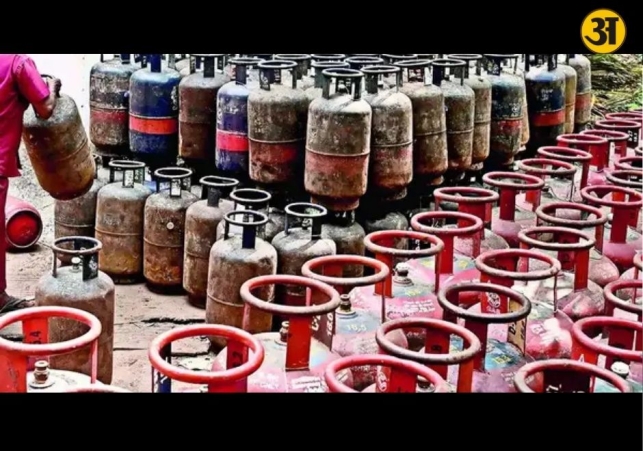
The central government has announced an additional 10 percent allocation of commercial LPG to all states and Union Territories to manage the ongoing fuel shortage. The move comes at a time when global tensions, especially in the Middle East, have disrupted energy supplies and created pressure on fuel availability in India.
The decision was shared by Sujata Sharma, Joint Secretary in the Ministry of Petroleum and Natural Gas. She explained that this additional allocation is part of a broader strategy to ensure steady fuel supply while encouraging a long-term shift to cleaner alternatives like piped natural gas (PNG).
The government has made it clear that the extra allocation will be linked to steps taken by states to support the transition from LPG to PNG. This means states that actively promote PNG infrastructure and remove delays in approvals will benefit more from the additional supply.
The shortage of LPG has become a concern due to disruptions in global supply chains. The ongoing conflict involving countries like the United States, Israel, and Iran has affected the availability and cost of fuel worldwide. As a result, countries like India, which rely heavily on imports, are facing challenges in maintaining stable supply.
To manage this situation, the government is not only increasing supply but also focusing on reducing long-term dependence on LPG. Encouraging the use of PNG is seen as a key step in this direction.
Steps to improve supply and infrastructure
The government has introduced a detailed plan to support states in improving fuel management and infrastructure. Out of the 10 percent additional LPG allocation, different portions will be linked to specific actions taken by the states.
For example, one percent additional allocation will be given to states that form State and District-level committees. These committees will help in approving city gas distribution (CGD) applications and resolving complaints related to gas supply.
Another two percent allocation will be provided to states that issue orders for granting deemed permissions for CGD projects. This step aims to speed up the process of laying pipelines and expanding PNG networks.
States that introduce the “dig and restore” scheme for CGD entities will receive three percent additional allocation. This scheme ensures that roads and public spaces are properly restored after pipeline work is completed.
The remaining four percent allocation will be given to states that reduce annual rental or lease charges for CGD companies. Lower costs can encourage more companies to invest in gas infrastructure.
ALSO READ: Trump says Israel will not use nuclear weapons against Iran amid conflict
Sujata Sharma also mentioned that the LPG situation remains a concern, but there have been improvements in some areas. For example, online booking systems have become more efficient, making it easier for consumers to access LPG cylinders.
She added that oil marketing companies have carried out more than 2,300 surprise inspections to check supply and prevent misuse. In addition, 30 states have set up State Control Rooms, and 22 states have started District Control Rooms to monitor the situation more closely.
These steps are aimed at improving coordination and ensuring that fuel reaches consumers without delays or irregularities.
Push for PNG and alternative solutions
Along with increasing LPG supply, the government is strongly promoting the use of PNG, especially in urban areas. PNG is considered a cleaner and more reliable fuel compared to LPG. It is supplied through pipelines, which reduces the need for cylinder distribution and storage.
City gas distribution (CGD) companies are playing an important role in this transition. Many of these companies are offering incentives to encourage consumers to switch from LPG to PNG. These incentives may include lower connection costs or attractive pricing.
The government has also asked states to speed up approvals for CGD projects and remove any procedural delays. Faster implementation of these projects can help expand PNG networks and reduce pressure on LPG supplies.
In addition to PNG, the government has activated alternative fuels in certain sectors. For example, industries like hospitality and restaurants are being encouraged to use fuels like kerosene and coal temporarily. This step is intended to reduce demand for LPG and ensure that essential services continue without disruption.
Experts believe that these measures can help manage the current crisis, but long-term solutions are also needed. Increasing domestic production, improving infrastructure, and investing in renewable energy sources are some of the steps that can reduce dependence on imported fuels.
For consumers, the changes may bring both challenges and opportunities. While the shortage may affect availability in some areas, the push towards PNG can offer a more stable and convenient option in the future.
In conclusion, the Centre’s decision to provide additional LPG allocation reflects its effort to handle a difficult situation caused by global factors. At the same time, the focus on PNG shows a clear plan for long-term energy security.
By working together, states and the central government can ensure that fuel supply remains stable while also moving towards cleaner and more efficient energy solutions.
Related News